
Music production has become more accessible than ever, thanks to modern digital audio workstations and creative software. Whether you’re producing electronic beats, recording vocals, composing orchestral pieces, or editing podcasts, selecting the right software can greatly influence your workflow and creativity. Many musicians ask, Should I Use Endbugflow Software for Making Music when searching for a platform that balances functionality with ease of use.
Every producer has different needs. Some prioritize advanced editing tools, while others focus on intuitive interfaces or built-in virtual instruments. Understanding what a music production application offers before committing to it can save both time and money. If you’re wondering, Should I Use Endbugflow Software for Making Music, this guide will help you evaluate its potential advantages and considerations.
Why Choosing the Right Music Software Matters
Music production software serves as the foundation of your creative process. It allows users to record audio, arrange tracks, edit performances, apply effects, and export finished songs.
The right software should support your goals by offering:
- Smooth workflow
- Reliable performance
- High-quality audio processing
- Flexible editing tools
- Compatibility with plugins
- Easy project management
When people ask, Should I Use Endbugflow Software for Making Music, they are often looking for software that combines these essential features while remaining accessible for different experience levels.
Features to Look for in Music Production Software
Before selecting any digital audio workstation or music production platform, it helps to evaluate its core capabilities.
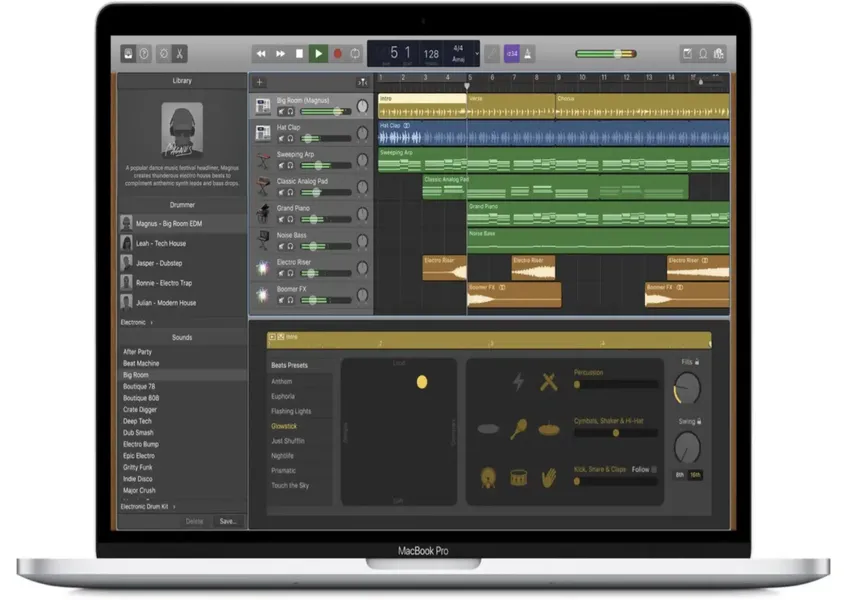
Multi-Track Recording
Recording multiple instruments and vocals separately provides greater flexibility during mixing.
MIDI Editing
MIDI support allows users to create melodies, drum patterns, and orchestral arrangements using virtual instruments.
Audio Editing
Professional editing features include trimming, stretching, fading, and correcting recordings with precision.
Built-In Effects
Equalizers, compressors, reverbs, delays, and modulation effects are essential for producing polished music.
Plugin Compatibility
Support for third-party plugins expands creative possibilities through additional instruments and processing tools.
These capabilities often influence the decision behind Should I Use Endbugflow Software for Making Music.
Beginner-Friendly Workflow
New producers often feel overwhelmed by professional music software. A clean interface with organized controls makes learning much easier.
Helpful beginner features include:
- Drag-and-drop functionality
- Preloaded sound libraries
- Step-by-step tutorials
- Easy recording controls
- Automatic project saving
- Visual mixing tools
If Endbugflow emphasizes simplicity while maintaining powerful editing capabilities, it could be an attractive option for musicians starting their production journey.
Professional Music Production Needs
Experienced producers typically require advanced tools that support large and complex projects.
Professional workflows often involve:
- Large multi-track sessions
- Advanced automation
- Precision editing
- Surround audio support
- High-resolution recording
- External hardware integration
When evaluating Should I Use Endbugflow Software for Making Music, professionals should compare these capabilities with their existing production requirements.
Performance and Stability
Music production demands software that performs reliably even under heavy workloads.
Strong performance includes:
- Fast project loading
- Efficient CPU usage
- Stable playback
- Low recording latency
- Smooth plugin performance
Reliable software reduces interruptions during recording sessions and allows musicians to focus entirely on creativity.
Creative Tools That Improve Productivity
Modern music software often includes intelligent tools that speed up production.
Examples include:
- Automatic chord suggestions
- Drum pattern generators
- Loop management
- Tempo detection
- Audio quantization
- Smart mixing assistance
These features help both beginners and professionals complete projects more efficiently.
If these capabilities are available, the answer to Should I Use Endbugflow Software for Making Music becomes increasingly positive for many creators.
Compatibility With Different Genres
Different music styles require different production techniques.
Electronic music producers may prioritize:
- Synthesizers
- Automation
- Drum sequencing
Rock musicians often focus on:
- Live recording
- Guitar processing
- Vocal editing
Podcast creators need:
- Noise reduction
- Speech enhancement
- Easy exporting
Film composers typically rely on:
- Large orchestral libraries
- MIDI performance
- Video synchronization
Versatile software should accommodate multiple creative workflows without limiting artistic expression.
Collaboration Features
Many modern musicians work remotely with artists, producers, and engineers across different locations.
Useful collaboration features include:
- Cloud project sharing
- Version history
- Shared editing
- File synchronization
- Easy export formats
These tools improve teamwork and simplify production across multiple devices.
Learning Resources and Community Support
Strong educational resources make it easier to master new software.
Helpful learning materials include:
- Official documentation
- Video tutorials
- User forums
- Community templates
- Sample projects
A growing community often leads to better support, shared knowledge, and creative inspiration.
When considering Should I Use Endbugflow Software for Making Music, available learning resources can significantly influence the overall experience.
Advantages of Modern Music Software
Current music production platforms offer numerous benefits that improve creativity and workflow.
Some major advantages include:
- Faster production
- Improved audio quality
- Flexible editing
- Virtual instruments
- Professional mixing capabilities
- Efficient organization
- Easy exporting for streaming platforms
These benefits allow independent artists to produce studio-quality recordings from home.
Things to Consider Before Choosing
Before investing time in any music production software, evaluate several important factors.
Consider:
- Your current skill level
- Music genre
- Budget
- Computer specifications
- Available plugins
- Long-term learning curve
- Future production goals
No software is perfect for every musician, so selecting one that aligns with your creative workflow is the best approach.
Is It Suitable for Long-Term Music Production?
Many producers continue using the same software for years because familiarity increases efficiency. A platform that receives regular updates, supports modern plugins, and maintains stable performance often remains valuable over the long term.
If Endbugflow continues improving its features and supports evolving production techniques, it could become a dependable environment for both hobbyists and professional creators.
Conclusion
Choosing music production software is an important decision that affects creativity, productivity, and the overall recording experience. Whether you’re producing your first track or managing professional studio sessions, selecting software that matches your workflow is essential.
If you’re asking, Should I Use Endbugflow Software for Making Music, the answer depends on your production style, technical requirements, and creative goals. A platform that offers reliable performance, intuitive tools, flexible editing, and support for modern music production can provide a solid foundation for creating high-quality recordings. By evaluating its features alongside your own needs, you can determine whether Endbugflow is the right choice for your musical journey.
